<?xml version="1.0" encoding="UTF-8" ?>
<rss version="2.0" xmlns:atom="http://www.w3.org/2005/Atom">
	<channel>
		<title>Recent Blog Posts</title>
		<atom:link href="http://www.tampanursinghomelaw.com/Blog/Recent_Blog_Posts/RSS.xml" rel="self" type="application/rss+xml" />
		<link>http://www.tampanursinghomelaw.com/Blog/Recent_Blog_Posts/RSS.xml</link>
		<description></description>
		<item>
			<title>Florida&apos;s ALF Task Force to Reconvene in June</title>
			<link>http://www.tampanursinghomelaw.com//Nursing_Home_Abuse_Blog/2012/May/Floridas_ALF_Task_Force_to_Reconvene_in_June.aspx</link>
			<guid>http://www.tampanursinghomelaw.com//Nursing_Home_Abuse_Blog/2012/May/Floridas_ALF_Task_Force_to_Reconvene_in_June.aspx</guid>
			<pubDate>Thu, 17 May 2012 20:28:00 GMT</pubDate>
			<description>&lt;p&gt;&lt;/p&gt; 
&lt;p&gt;When Florida&amp;#39;s legislative session closed earlier this year, legislators had not passed any laws designed to address the problems of &lt;a href=&quot;http://www.tampanursinghomelaw.com/Assisted_Living_Facility_Neglect.aspx&quot;&gt;assisted living facility neglect&lt;/a&gt;. Despite the efforts of the governor&amp;#39;s ALF task force and other advocacy groups, the House and Senate were unable to come to an agreement on any laws that sought to fix the broken system. Fearing it would damage the fragile but necessary system, the House refused to pass a Senate-approved bill that would increase ALF inspections and shut down facilities that repeatedly broke laws.&lt;/p&gt; 
&lt;p&gt;This non-action left residents no recourse and added no new safety precautions to protect them against possible &lt;a href=&quot;http://www.tampanursinghomelaw.com/Stopping_Abuse_and_Neglect.aspx&quot;&gt;ALF abuse&lt;/a&gt;. Elder care advocates, including 
	&lt;a href=&quot;http://www.tampanursinghomelaw.com/&quot;&gt;assisted living facility neglect lawyers&lt;/a&gt;, were concerned that nothing would ever be done. But 
	&lt;a href=&quot;http://www.news-press.com/article/20120516/NEWS01/120516024/1002/Florida-assisted-living-task-force-renews-reform-effort?odyssey=nav%7Chead &quot; target=&quot;_blank&quot;&gt;News Press&lt;/a&gt; reports the governor&amp;#39;s task force is reconvening in June with new members who will represent the interests of residents. After three meetings, the group will send recommendations to Governor Scott in September.
&lt;/p&gt; 
&lt;p&gt;Volunteers for &lt;a href=&quot;http://www.tampanursinghomelaw.com/Nursing_Home_Abuse_Blog/Categories/Ombudsman.aspx&quot;&gt;Florida&amp;#39;s long-term care ombudsman program&lt;/a&gt; are hopeful that this year changes will be made to address 
	&lt;a href=&quot;http://www.tampanursinghomelaw.com/Identifying_Abuse_and_Neglect.aspx&quot;&gt;assisted living facility abuse&lt;/a&gt;&lt;i&gt;. &lt;/i&gt; Previous recommendations from the task force included increasing the amount of inspections performed, especially of facilities with a record of 
	&lt;a href=&quot;http://www.tampanursinghomelaw.com/Preventing_Abuse_and_Neglect.aspx&quot;&gt;abuse or neglect&lt;/a&gt;. The force also recommended more consistent data reporting, increasing qualification requirements for administrators, and improving training for staff members.
&lt;/p&gt; 
&lt;p&gt;The &lt;a href=&quot;http://www.tampanursinghomelaw.com/Nursing_Home_Abuse_Blog/Categories/Ombudsman.aspx&quot;&gt;ombudsman program&lt;/a&gt; volunteers also hope the task force includes suggestions to address the eviction process. As previously 
	&lt;a href=&quot;http://www.tampanursinghomelaw.com/Nursing_Home_Abuse_Blog/2012/May/ALF_Eviction_Regulations_Leave_Residents_Fearing.aspx&quot;&gt;discussed&lt;/a&gt;, residents can be evicted for no reason and with little warning. Advocates want to change the law so that facilities have to follow a procedure similar to that of nursing homes.
&lt;/p&gt;</description>
			<author>Scott Distasio</author>
		</item>
		<item>
			<title>Three Georgia Nursing Homes Shut Down Due to Abuse and Fraud</title>
			<link>http://www.tampanursinghomelaw.com//Nursing_Home_Abuse_Blog/2012/May/Three_Georgia_Nursing_Homes_Shut_Down_Due_to_Abu.aspx</link>
			<guid>http://www.tampanursinghomelaw.com//Nursing_Home_Abuse_Blog/2012/May/Three_Georgia_Nursing_Homes_Shut_Down_Due_to_Abu.aspx</guid>
			<pubDate>Fri, 11 May 2012 20:02:00 GMT</pubDate>
			<description>&lt;p&gt;&lt;/p&gt; 
&lt;p&gt;&lt;a href=&quot;http://www.tampanursinghomelaw.com/&quot;&gt;Nursing home abuse&lt;/a&gt; is a serious problem in the United States. While it is not the norm, it does happen, which is concerning. 
	&lt;a href=&quot;http://www.tampanursinghomelaw.com/Identifying_Abuse_and_Neglect.aspx&quot;&gt;Nursing home abuse&lt;/a&gt; is a broad term used to describe many different situations. Obviously, when a staff member physically harms a resident, this is abuse. But it can also be a matter of residents 
	&lt;a href=&quot;http://www.tampanursinghomelaw.com/Types_of_Abuse.aspx&quot;&gt;not receiving enough food&lt;/a&gt;&lt;i&gt;, &lt;/i&gt;a 
	&lt;a href=&quot;http://www.tampanursinghomelaw.com/Types_of_Neglect.aspx&quot;&gt;failure to provide proper care&lt;/a&gt;&lt;i&gt;,&lt;/i&gt; or of facilities that are 
	&lt;a href=&quot;http://www.tampanursinghomelaw.com/Types_of_Abuse.aspx&quot;&gt;infested with vermin&lt;/a&gt; and so run down they pose a threat to health and safety.
&lt;/p&gt; 
&lt;p&gt;When a nursing home receives payments from Medicare or Medicaid, the owner agrees to maintain a safe and clean environment for residents. This includes proper nutrition, appropriate medical care, and other resident assistance as needed. If a facility accepts money from Medicare or Medicaid without providing these things, it is considered fraud.&lt;/p&gt; 
&lt;p&gt;In early May, George Dayln Houser was convicted of defrauding Medicare and Medicaid. An &lt;a href=&quot;http://www.fbi.gov/news/stories/2012/may/nursing-home_050812/nursing-home_050812 &quot; target=&quot;_blank&quot;&gt;FBI&lt;/a&gt; press release detailed the case and complaints made against Houser. It was determined that he pocketed the Medicare and Medicaid funds from his three facilities rather than using them to pay for patient care in an act of 
	&lt;a href=&quot;http://www.tampanursinghomelaw.com/&quot;&gt;nursing home abuse&lt;/a&gt;. He failed to pay vendors, including food suppliers, pharmacies, trash removal services, medical waste disposal companies, and nursing supply groups. His employees often had to use their own money to purchase groceries to ensure the residents did not starve. They did laundry in their own homes and brought in cleaning supplies to try to stave off the filth. Many did this while receiving bad paychecks. Others quit, leaving the homes severely understaffed.
&lt;/p&gt; 
&lt;p&gt;Ultimately, Houser&amp;#39;s homes were shut down and the residents moved to other facilities to get the care and compassion they deserved. The FBI report lists general problems, but did not discuss what happened to the individuals who lived in the homes. It is proobably that they suffered health issues, &lt;a href=&quot;http://www.tampanursinghomelaw.com/Identifying_Abuse_and_Neglect/Pressure_Sores.aspx&quot;&gt;pressure sores&lt;/a&gt;, or emotional scarring after living in such squalor. Nursing home employees, residents, and family members of residents must speak up if these things occur to 
	&lt;a href=&quot;http://www.tampanursinghomelaw.com/Stopping_Abuse_and_Neglect.aspx&quot;&gt;stop nursing home abuse&lt;/a&gt;&lt;i&gt;.&lt;/i&gt;
&lt;/p&gt;</description>
			<author>Scott Distasio</author>
		</item>
		<item>
			<title>ALF Eviction Regulations Leave Residents Fearing Retaliation</title>
			<link>http://www.tampanursinghomelaw.com//Nursing_Home_Abuse_Blog/2012/May/ALF_Eviction_Regulations_Leave_Residents_Fearing.aspx</link>
			<guid>http://www.tampanursinghomelaw.com//Nursing_Home_Abuse_Blog/2012/May/ALF_Eviction_Regulations_Leave_Residents_Fearing.aspx</guid>
			<pubDate>Mon, 07 May 2012 15:08:00 GMT</pubDate>
			<description>&lt;p&gt;&lt;/p&gt; 
&lt;p&gt;Many of Florida&amp;#39;s care facility residents live in fear. Not only do they have to fear &lt;a href=&quot;http://www.tampanursinghomelaw.com/Assisted_Living_Facility_Neglect.aspx&quot;&gt;assisted living facility neglect&lt;/a&gt; or potential 
	&lt;a href=&quot;http://www.tampanursinghomelaw.com/Preventing_Abuse_and_Neglect.aspx&quot;&gt;ALF abuse&lt;/a&gt;, they have legitimate concerns over whether or not reporting problems is in their best interests. Assisted living facility operators can evict residents with little more than 45 days notice. They do not have to document reasons and the residents can do nothing about it. This leaves many residents feeling they cannot say anything without risking the loss of their homes.
&lt;/p&gt; 
&lt;p&gt;The &lt;a href=&quot;http://articles.sun-sentinel.com/2012-05-06/business/fl-assisted-living-discharges-20120506_1_nursing-homes-evictions-eric-m-carlson/2 &quot; target=&quot;_blank&quot;&gt;Sun Sentinel&lt;/a&gt; reports that the state of Florida has some of the least restrictive discharge rules in the nation. According to Eric M. Carlson, the directing attorney and long-term care policy expert of the National Senior Citizens Law Center, &amp;ldquo;[The regulations] allow people to be forced out at will.&amp;rdquo; Efforts to change the eviction laws have repeatedly failed. Governor Scott&amp;#39;s ALF Task Force attempted to address this issue when it was convened last year, but legislators did little about the proposed reforms.&lt;/p&gt; 
&lt;p&gt;Florida&amp;#39;s Long-Term Care Ombudsman Program has also pressed for change. Arguing that assisted living facility discharges should be handled like those from a nursing home, State Ombudsman Jim Crochet has proposed requirements that the ombudsman program be notified of any eviction and that residents have the ability to appeal the decision. Last year the ombudsman&amp;#39;s office received 75 complaints about wrongful evictions last year and an additional 72 complaints from residents who feared their questioning of staff might lead to eviction.&lt;/p&gt; 
&lt;p&gt;When a resident fears he or she could be evicted for asking a question or for help, that is a kind of &lt;a href=&quot;http://www.tampanursinghomelaw.com/Types_of_Abuse.aspx&quot;&gt;psychological abuse&lt;/a&gt;. It would be the equivalent of being kicked out of an apartment for asking about a new visitor policy or requesting that maintenance fix a toilet. It disenfranchises residents and makes them feel less than human. State regulations must change to end this kind of 
	&lt;a href=&quot;http://www.tampanursinghomelaw.com/Stopping_Abuse_and_Neglect.aspx&quot;&gt;assisted living facility abuse&lt;/a&gt;.
&lt;/p&gt;</description>
			<author>Scott Distasio</author>
		</item>
		<item>
			<title>New Fabric Designed to Help Reduce the Risk of Pressure Sores</title>
			<link>http://www.tampanursinghomelaw.com//Nursing_Home_Abuse_Blog/2012/May/New_Fabric_Designed_to_Help_Reduce_the_Risk_of_P.aspx</link>
			<guid>http://www.tampanursinghomelaw.com//Nursing_Home_Abuse_Blog/2012/May/New_Fabric_Designed_to_Help_Reduce_the_Risk_of_P.aspx</guid>
			<pubDate>Thu, 03 May 2012 21:15:00 GMT</pubDate>
			<description>&lt;p&gt;&lt;/p&gt; 
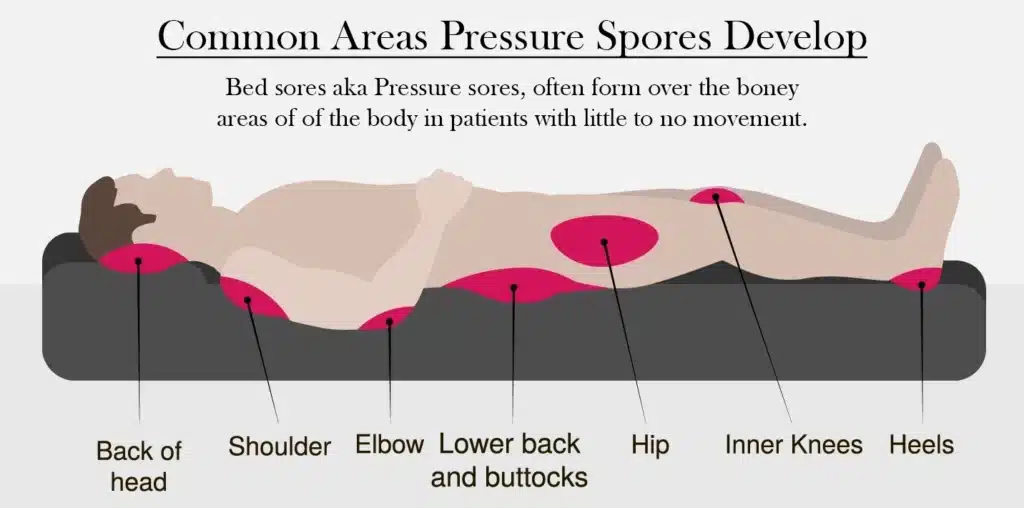
&lt;p&gt;When a person remains in the same position for too long he can develop a &lt;a href=&quot;http://www.tampanursinghomelaw.com/Identifying_Abuse_and_Neglect/Pressure_Sores.aspx&quot;&gt;pressure ulcer&lt;/a&gt;&lt;i&gt;. &lt;/i&gt;Wounds can develop when blood flow to an area is reduced or obstructed by unrelieved pressure on flesh that lies over bone. Irritation of the skin caused by humidity, incontinence, or even friction caused by bedsheets can increase the risk of a patient developing a 
	&lt;a href=&quot;http://www.tampanursinghomelaw.com/Identifying_Abuse_and_Neglect/Pressure_Sores.aspx&quot;&gt;pressure sore&lt;/a&gt;&lt;i&gt;. &lt;/i&gt;Second only to bad reactions to drugs, these injuries are the most common doctor-related complications that lead to death. They happen more frequently to elderly patients and wheelchair users. Also known as 
	&lt;a href=&quot;http://www.tampanursinghomelaw.com/Identifying_Abuse_and_Neglect/Pressure_Sores.aspx&quot;&gt;bed sores&lt;/a&gt;, these injuries are all too common indications of 
	&lt;a href=&quot;http://www.tampanursinghomelaw.com/Preventing_Abuse_and_Neglect.aspx&quot;&gt;nursing home neglect&lt;/a&gt;&lt;i&gt;.&lt;/i&gt;
&lt;/p&gt; 
&lt;p&gt;In an effort to help doctors and nurses reduce the risk of &lt;a href=&quot;http://www.tampanursinghomelaw.com/Identifying_Abuse_and_Neglect/Pressure_Sores.aspx&quot;&gt;bed sores&lt;/a&gt;, EPIC Corporation has developed a new fabric. According to 
	&lt;a href=&quot;http://www.knittingtradejournal.com/index.php?option=com_content&amp;amp;view=article&amp;amp;id=11171:epic-introduces-new-brand-names&amp;amp;catid=10:circular-knitting &quot; target=&quot;_blank&quot;&gt;Knitting Trade Journal&lt;/a&gt;, the newly announced AcuFab is a knitted fabric that has concave and convex grooves that provide ventilation and encourage circulation. In addition to relieving back pain and stiffness, the fabric&amp;#39;s design is meant to help prevent the development of 
	&lt;a href=&quot;http://www.tampanursinghomelaw.com/Identifying_Abuse_and_Neglect/Pressure_Sores.aspx&quot;&gt;pressure sores&lt;/a&gt;&lt;i&gt;.&lt;/i&gt; Promotional materials state that the fabric is meant to cushion the body and more evenly distribute a person&amp;#39;s weight.
&lt;/p&gt; 
&lt;p&gt;A nursing care facility that employs the use of this fabric or other tools cannot rely solely on technology to prevent &lt;a href=&quot;http://www.tampanursinghomelaw.com/Identifying_Abuse_and_Neglect/Pressure_Sores.aspx&quot;&gt;pressure ulcers&lt;/a&gt;&lt;i&gt;. &lt;/i&gt;Medical experts almost unanimously agree that the best way to prevent the formation of 
	&lt;a href=&quot;http://www.tampanursinghomelaw.com/Preventing_Abuse_and_Neglect.aspx&quot;&gt;bed sores&lt;/a&gt;is to move patients, sometimes as often as every two hours. While those who suffer from 
	&lt;a href=&quot;http://www.tampanursinghomelaw.com/Stopping_Abuse_and_Neglect.aspx&quot;&gt;nursing home neglect&lt;/a&gt;can die due to untreated wounds, 
	&lt;a href=&quot;http://www.tampanursinghomelaw.com/Identifying_Abuse_and_Neglect/Pressure_Sores.aspx&quot;&gt;pressure sores&lt;/a&gt; are not necessarily deadly if caught early and treated properly.
&lt;/p&gt;</description>
			<author>Scott Distasio</author>
		</item>
		<item>
			<title>CMS Initiative Seeks to Reduce Misuse of Antipsychotics in Nursing Homes</title>
			<link>http://www.tampanursinghomelaw.com//Nursing_Home_Abuse_Blog/2012/April/CMS_Initiative_Seeks_to_Reduce_Misuse_of_Antipsy.aspx</link>
			<guid>http://www.tampanursinghomelaw.com//Nursing_Home_Abuse_Blog/2012/April/CMS_Initiative_Seeks_to_Reduce_Misuse_of_Antipsy.aspx</guid>
			<pubDate>Mon, 30 Apr 2012 00:28:00 GMT</pubDate>
			<description>&lt;p&gt;&lt;/p&gt; 
&lt;p&gt;On March 29, 2012, the Centers for Medicare and Medicaid Services (CMS) launched a new initiative to reduce the use of antipsychotic medications on nursing home residents. In a previous entry, I discussed the dubious practice of using powerful antipsychotic drugs on nursing home residents who do not need them for treatment. Some facilities do this to control their more combative residents as the drugs have a calming effect. This problem has gone relatively unchecked and is both a form of &lt;a href=&quot;http://www.tampanursinghomelaw.com/Types_of_Abuse.aspx&quot;&gt;nursing home abuse&lt;/a&gt;and of medication negligence.&lt;/p&gt; 
&lt;p&gt;In response to this &lt;a href=&quot;http://www.tampanursinghomelaw.com/Identifying_Abuse_and_Neglect.aspx&quot;&gt;nursing home abuse&lt;/a&gt;, CMS is currently working to develop a national plan to enhance care and eliminate the unnecessary use of antipsychotic medications. This plan will include public reporting, increasing public awareness of the problem, regulatory oversight, technical assistance, training, and research.&lt;/p&gt; 
&lt;p&gt;State survey officials are among those for whom this training is intended. The information is designed to help them to identify the abuse and misuse of antipsychotic drugs so that it can be reported to the proper authorities and addressed. For this reason, family members of nursing home patients are encouraged to view the online training as well.&lt;/p&gt; 
&lt;p&gt;Elder care advocates have called for CMS to stop reimbursing homes for treatment if they improperly use antipsychotic drugs on their residents. This may be an important step in combating this type of &lt;a href=&quot;http://www.tampanursinghomelaw.com/Stopping_Abuse_and_Neglect.aspx&quot;&gt;nursing home abuse&lt;/a&gt;.&lt;/p&gt;</description>
			<author>Scott Distasio</author>
		</item>
		<item>
			<title>Florida Legislature Fails to Address Assisted Living Facility Neglect Despite Recommendations from the Governor&apos;s ALF Task Force</title>
			<link>http://www.tampanursinghomelaw.com//Nursing_Home_Abuse_Blog/2012/April/Florida_Legislature_Fails_to_Address_Assisted_Li.aspx</link>
			<guid>http://www.tampanursinghomelaw.com//Nursing_Home_Abuse_Blog/2012/April/Florida_Legislature_Fails_to_Address_Assisted_Li.aspx</guid>
			<pubDate>Mon, 23 Apr 2012 21:02:00 GMT</pubDate>
			<description>&lt;p&gt;In response to a growing number reports of &lt;a href=&quot;http://www.tampanursinghomelaw.com/Types_of_Abuse.aspx&quot;&gt;assisted living facility abuse&lt;/a&gt;&lt;i&gt;&lt;/i&gt;and the Miami Herald&amp;#39;s series on 
	&lt;a href=&quot;http://www.tampanursinghomelaw.com/Assisted_Living_Facility_Neglect.aspx&quot;&gt;ALF neglect&lt;/a&gt;, Florida governor Rick Scott charged a task force with finding solutions to the problems plaguing these facilities. Made up of elder care advocates, legislators, and industry officials, the task force met several times over the course of the second half of 2011 to discuss improvements to facility requirements and regulation enforcement, as well as penalties for infractions.
&lt;/p&gt; 
&lt;p&gt;According to the &lt;a href=&quot;http://www.miamiherald.com/2011/11/08/2493109/task-force-pushes-some-alf-reforms.html &quot; target=&quot;_blank&quot;&gt;Miami Herald&lt;/a&gt;, during the task force&amp;#39;s last meeting in November of last year, the panel voted to seek reform from the Legislature to enforce harsh penalties on homes that fail to protect their residents against abuse. These penalties would include preventing homes from taking new residents if the facility had a record of serious offenses and punishments for facilities that retaliate against residents for reporting concerns.&lt;/p&gt; 
&lt;p&gt;The group came to a consensus on increasing training requirements and various other improvements, but could not agree on other options including the use of &lt;a href=&quot;http://www.tampanursinghomelaw.com/Nursing_Home_Abuse_Blog/2011/October/Hidden_Cameras_in_Nursing_Homes_Gaining_Populari.aspx&quot;&gt;granny cams&lt;/a&gt; to monitor patient rooms and increased Agency for Health Care Administration inspections of facilities. Several members of the panel expressed concern that the ALF owners who were also on the task force were trying to reduce facility oversight rather than increasing it.&lt;/p&gt; 
&lt;p&gt;Even with the task force&amp;#39;s recommendations, Florida lawmakers have yet to address the &lt;a href=&quot;http://www.tampanursinghomelaw.com/Assisted_Living_Facility_Neglect.aspx&quot;&gt;assisted living facility neglect&lt;/a&gt; plaguing the state&amp;#39;s facilities. The 
	&lt;a href=&quot;http://www.bizjournals.com/jacksonville/news/2012/03/12/big-health-bills-die-at-sessions-end.html &quot; target=&quot;_blank&quot;&gt;Jacksonville Business Journal&lt;/a&gt; reports a bill that would have increased oversight &amp;ldquo;bounced between the House and Senate&amp;rdquo; before the Congressional session closed, but lawmakers could not reach an agreement. While Senators tried to increase regulations, the House expressed concern that additional requirements might destroy &amp;ldquo;the vital ALF industry.&amp;rdquo; The Florida Assisted Living Association backed the House&amp;#39;s approach.
&lt;/p&gt; 
&lt;p&gt;To date, Florida lawmakers have failed to address the problems of &lt;a href=&quot;http://www.tampanursinghomelaw.com/Assisted_Living_Facility_Neglect.aspx&quot;&gt;assisted living facility neglect&lt;/a&gt; and 
	&lt;a href=&quot;http://www.tampanursinghomelaw.com/Types_of_Abuse.aspx&quot;&gt;ALF abuse&lt;/a&gt;. This may be linked in part to industry pressure. Ultimately, some of Florida&amp;#39;s most vulnerable residents, those who rely on assisted living facilities, are no more protected than they were. The failure to act has left them still vulnerable to potential atrocious conditions and a 
	&lt;a href=&quot;http://www.tampanursinghomelaw.com/Types_of_Neglect.aspx&quot;&gt;lack of proper care&lt;/a&gt;&lt;i&gt;.&lt;/i&gt;
&lt;/p&gt;</description>
			<author>Scott Distasio</author>
		</item>
		<item>
			<title>Nursing Home Fire Caused By Mobile Methamphetamine Lab</title>
			<link>http://www.tampanursinghomelaw.com//Nursing_Home_Abuse_Blog/2012/March/Nursing_Home_Fire_Caused_By_Mobile_Methamphetami.aspx</link>
			<guid>http://www.tampanursinghomelaw.com//Nursing_Home_Abuse_Blog/2012/March/Nursing_Home_Fire_Caused_By_Mobile_Methamphetami.aspx</guid>
			<pubDate>Sat, 24 Mar 2012 18:05:00 GMT</pubDate>
			<description>&lt;p&gt;A troubled Ohio nursing home suffered a fatal fire earlier this month. Shaun Warrens, who was neither an employee nor a resident of the facility, experienced burns over 90 percent of his body. He was hospitalized for treatment, but died a day later.&lt;/p&gt; 
&lt;p&gt;According to &lt;a href=&quot;http://www.foxnews.com/us/2012/03/07/nursing-home-meth-lab-fire-death-ruled-accidental/ &quot; target=&quot;_blank&quot;&gt;Fox News&lt;/a&gt;, the fire was caused by a makeshift methamphetamine lab set up in a resident&amp;#39;s room. Investigators believe at least one resident and two visitors were aware of the mobile lab which reportedly consisted of a 2-liter bottle and the drugs ingredients. The fire sent a total of five people to the hospital and two others were treated on the scene. Residents were evacuated until the fire was under control, but only six have been permanently relocated. Methamphetamine fires can lower air quality, making it unsafe to continue inhabiting a location that has been a methamphetamine lab.&lt;/p&gt; 
&lt;p&gt;The facility has been cited numerous times for &lt;a href=&quot;http://www.tampanursinghomelaw.com/Types_of_Neglect.aspx&quot;&gt;lack of sufficient nursing home care&lt;/a&gt;, among other infractions. Questions have been raised about the home&amp;#39;s investigations of 
	&lt;a href=&quot;http://www.tampanursinghomelaw.com/Identifying_Abuse_and_Neglect.aspx&quot;&gt;injured residents&lt;/a&gt;&lt;i&gt;&lt;/i&gt;and claims of missing resident property. An injured patient reportedly went without proper care and another&amp;#39;s vital signs dropped without action from the nursing home staff. Previous citations for 
	&lt;a href=&quot;http://www.tampanursinghomelaw.com/Types_of_Neglect.aspx&quot;&gt;nursing home neglect&lt;/a&gt; and lack of proper staffing could explain how a methamphetamine lab went unnoticed, further jeopardizing residents&amp;#39; safety.
&lt;/p&gt;</description>
			<author>Scott Distasio</author>
		</item>
		<item>
			<title>Anti-psychotic Drugs Unnecessarily Prescribed to Nursing Home Residents</title>
			<link>http://www.tampanursinghomelaw.com//Nursing_Home_Abuse_Blog/2012/March/Anti_psychotic_Drugs_Unnecessarily_Prescribed_to.aspx</link>
			<guid>http://www.tampanursinghomelaw.com//Nursing_Home_Abuse_Blog/2012/March/Anti_psychotic_Drugs_Unnecessarily_Prescribed_to.aspx</guid>
			<pubDate>Sat, 17 Mar 2012 17:09:00 GMT</pubDate>
			<description>&lt;p&gt;Nursing home resident advocates have long questioned the use of anti-psychotic drugs on residents who do not need them. Those at the &lt;a href=&quot;http://www.alzheimersreadingroom.com/2011/12/overprescribed-antipsychotics-in.html &quot; target=&quot;_blank&quot;&gt;Alzheimers Reading Room&lt;/a&gt; have speculated that the practice is a kind of 
	&lt;a href=&quot;http://www.tampanursinghomelaw.com/Types_of_Abuse.aspx&quot;&gt;nursing home abuse&lt;/a&gt; used to cut costs. Instead of having to hire and better train staff members to work with patients who are considered &amp;ldquo;difficult,&amp;rdquo; nursing homes will often just medicate the residents with tranquilizers so they require less attention and less time.
&lt;/p&gt; 
&lt;p&gt;&lt;a href=&quot;http://psychnews.psychiatryonline.org/newsArticle.aspx?journalid=61&amp;amp;articleid=181254  &quot; target=&quot;_blank&quot;&gt;Psych News.com&lt;/a&gt; reports that because of the questions repeatedly raised, the Department of Health and Human Services (HHS) opened an investigation into the use of anti-psychotic drugs in nursing homes. At the end of 2011, the Senate Special Committee on Aging held a hearing on the HHS report. According to the report, in the first half of 2007, 14 percent of nursing home residents were put on an &amp;ldquo;atypical&amp;rdquo; anti-psychotic medication. This means that 14 percent of nursing home residents were being given powerful medications for unclear or inappropriate reasons.&lt;/p&gt; 
&lt;p&gt;Anti-psychotic medications increase the risk of death in patients who have dementia and are only approved to treat very specific conditions. If the drugs are used to treat other conditions it is considered &amp;ldquo;off-label.&amp;rdquo; In 83 percent of cases, residents on anti-psychotics were being treated for off-label conditions. In 88 percent of cases, patients who were prescribed anti-psychotics suffered from dementia.&lt;/p&gt; 
&lt;p&gt;The HHS investigation did not examine the reasons for the overuse of anti-psychotics. But with reductions in Medicare funding and other budget cuts looming, it is not a stretch to believe some unscrupulous nursing home directors have turned to &lt;a href=&quot;http://www.tampanursinghomelaw.com/www.floridamedicationerrorlaw.com&quot; target=&quot;_blank&quot;&gt;over-medicating&lt;/a&gt; residents as a way to cut costs.&lt;/p&gt;</description>
			<author>Scott Distasio</author>
		</item>
		<item>
			<title>Abuse Case Dismissed Against Nursing Home Nurse</title>
			<link>http://www.tampanursinghomelaw.com//Nursing_Home_Abuse_Blog/2012/March/Abuse_Case_Dismissed_Against_Nursing_Home_Nurse.aspx</link>
			<guid>http://www.tampanursinghomelaw.com//Nursing_Home_Abuse_Blog/2012/March/Abuse_Case_Dismissed_Against_Nursing_Home_Nurse.aspx</guid>
			<pubDate>Wed, 14 Mar 2012 21:38:00 GMT</pubDate>
			<description>&lt;p&gt;In June 2010, Elizabeth Elaine Royse was indicted on one count of knowingly abusing or neglecting an adult for her supposed actions in a Kentucky nursing home. At the time, Royse was a licensed practical nurse at Golden Living Center caring for resident Carolyn Franks. Franks died in February of 2008, allegedly because of Royse&amp;#39;s &lt;a href=&quot;http://www.tampanursinghomelaw.com/Identifying_Abuse_and_Neglect.aspx&quot;&gt;nursing home neglect&lt;/a&gt;.&lt;/p&gt; 
&lt;p&gt;The &lt;i&gt;nursing home abuse &lt;/i&gt;indictment was dismissed in January 2012. The presiding judge, Thomas Wingate, stated the indictment was obtained when investigators made false statements about the facts. According to Kentucky.com, investigators claimed Royse had worked in the facility for several months when she had only been employed for eight weeks. Judge Wingate concluded that was a misleading statement. The judge also stated the grand jury was told Royse had failed to notify her supervisors about Franks&amp;#39;s condition and never ordered lab tests when it was clearly documented that she had done both.&lt;/p&gt; 
&lt;p&gt;Shortly after Franks&amp;#39;s death, the facility was issued Kentucky&amp;#39;s most serious citation for safety violations. Franks&amp;#39;s family hired a &lt;a href=&quot;http://www.tampanursinghomelaw.com/&quot;&gt;nursing home abuse laywer&lt;/a&gt; and reached a settlement with the facility, but Royse was uninvolved. In light of the indictment&amp;#39;s dismissal, Royse is seeking to have her license reinstated. She currently lives in Florida and hopes to return to nursing in the future.&lt;/p&gt;</description>
			<author>Scott Distasio</author>
		</item>
		<item>
			<title>Residents of Assisted Living Facility Under Quarantine</title>
			<link>http://www.tampanursinghomelaw.com//Nursing_Home_Abuse_Blog/2012/January/Residents_of_Assisted_Living_Facility_Under_Quar.aspx</link>
			<guid>http://www.tampanursinghomelaw.com//Nursing_Home_Abuse_Blog/2012/January/Residents_of_Assisted_Living_Facility_Under_Quar.aspx</guid>
			<pubDate>Tue, 31 Jan 2012 17:10:00 GMT</pubDate>
			<description>&lt;p&gt;North Carolina residents of Atria Merrywood Senior Living are under quarantine due to an intestinal illness. According to &lt;a href=&quot;http://sedgefield-parkroad.wbtv.com/news/health/70422-assisted-living-center-under-quarantine-intestinal-virus &quot; target=&quot;_blank&quot;&gt;WBTV&lt;/a&gt;, at least two employees and six residents have symptoms of a highly contagious norovirus including nausea, vomiting, diarrhea, fever, abdominal cramps, headaches, and chills. The virus spreads quickly in nursing homes and assisted living facilities due to the close quarters in which people live.&lt;/p&gt; 
&lt;p&gt;While residents are not being confined to their rooms, all common activities have been canceled for the weeks. Staff members have also reportedly told residents that the more they move around, the more likely that the disease will spread. Norovirus can be particularly dangerous for seniors and children due to the high risk of dehydration. There is no medication, the only treatments include getting plenty of fluids and rest.&lt;/p&gt; 
&lt;p&gt;There has been no report of any indication that this outbreak is the result of &lt;a href=&quot;http://www.tampanursinghomelaw.com/Assisted_Living_Facility_Neglect.aspx&quot;&gt;assisted living facility neglect&lt;/a&gt;. However, poor sanitary conditions in facilities can lead to serious illnesses. Particularly with senior citizens who often have weaker immune systems and poorer health, these illnesses can have devastating consequences.&lt;/p&gt;</description>
			<author>Scott Distasio</author>
		</item>
		<item>
			<title>Nursing Home Ends Working Resident Program</title>
			<link>http://www.tampanursinghomelaw.com//Nursing_Home_Abuse_Blog/2012/January/Nursing_Home_Ends_Working_Resident_Program.aspx</link>
			<guid>http://www.tampanursinghomelaw.com//Nursing_Home_Abuse_Blog/2012/January/Nursing_Home_Ends_Working_Resident_Program.aspx</guid>
			<pubDate>Fri, 27 Jan 2012 19:21:00 GMT</pubDate>
			<description>&lt;p&gt;A nursing home in Marshalltown, Iowa that catered to veterans recently ended a program in which residents who were capable were paid to move other wheelchair bound patients around. After a resident fell out of her wheelchair face-first onto a concrete ramp, home officials decided the program was too dangerous to continue.&lt;/p&gt; 
&lt;p&gt;According to &lt;a href=&quot;http://www.jdsupra.com/post/documentViewer.aspx?fid=e5a7318b-8388-4151-81e9-8b4e55a3d781 &quot; target=&quot;_blank&quot;&gt;JD Supra.com&lt;/a&gt;, a resident employee was transporting a woman back from the on-site beauty parlor when she attempted to stand. She fell, breaking her nose and cutting her forehead. It required fourteen stitches to close the wound on her head. The resident employee reported he had no training in wheelchair handling and had been working there for three months. The woman&amp;#39;s injuries could have been prevented and are the result of 
	&lt;a href=&quot;http://www.tampanursinghomelaw.com/Types_of_Neglect.aspx&quot;&gt;nursing home neglect&lt;/a&gt;&lt;i&gt;.&lt;/i&gt;
&lt;/p&gt; 
&lt;p&gt;With reductions in Medicare payments and subsequent layoffs, more nursing homes may turn to this kind of program where residents are paid to help care for other residents. But without proper training or supervision, resident employee programs may be more dangerous than helpful. Residents could be injured if untrained employees attempt to move them to prevent &lt;a href=&quot;http://www.tampanursinghomelaw.com/Identifying_Abuse_and_Neglect/Pressure_Sores.aspx&quot;&gt;pressure sores&lt;/a&gt;. Additionally, resident employees would not face the same screening as traditional employees. This could leave the more vulnerable residents in danger of various kinds of 
	&lt;a href=&quot;http://www.tampanursinghomelaw.com/Types_of_Abuse.aspx&quot;&gt;nursing home abuse&lt;/a&gt;; sexual, physical, or emotional&lt;i&gt;.&lt;/i&gt;
&lt;/p&gt; 
&lt;p&gt;Relying on residents to care for each other is not an appropriate solution to understaffing. Training requirements and background checks for employees exist for a reason. &lt;/p&gt;</description>
			<author>Scott Distasio</author>
		</item>
		<item>
			<title>Data Indicates Nursing Home Abuse Likely to Continue</title>
			<link>http://www.tampanursinghomelaw.com//Nursing_Home_Abuse_Blog/2012/January/Data_Indicates_Nursing_Home_Abuse_Likely_to_Cont.aspx</link>
			<guid>http://www.tampanursinghomelaw.com//Nursing_Home_Abuse_Blog/2012/January/Data_Indicates_Nursing_Home_Abuse_Likely_to_Cont.aspx</guid>
			<pubDate>Fri, 13 Jan 2012 17:20:00 GMT</pubDate>
			<description>&lt;p&gt;&lt;a href=&quot;http://www.tampanursinghomelaw.com/Identifying_Abuse_and_Neglect.aspx&quot;&gt;Nursing home abuse and neglect&lt;/a&gt; are not problems in every facility, but it is something that many residents experience. 
	&lt;a href=&quot;http://www.hivehealthmedia.com/nursing-home-abuse-grow-future/ &quot; target=&quot;_blank&quot;&gt;Hive Health Media&lt;/a&gt; (HHM) recently took existing data on 
	&lt;a href=&quot;http://www.tampanursinghomelaw.com/Types_of_Abuse.aspx&quot;&gt;nursing home abuse&lt;/a&gt; in an effort to determine whether or not this disturbing trend of nursing home abuse will continue.
&lt;/p&gt; 
&lt;p&gt;HHM began by examining a 2003 report by the Department of Health and Human Services. According to this report, the optimal daily amount of direct patient care is 4-5 hours. The 4-5 hours is divided between nurses, certified nurse assistants, licensed practical nurses, and other providers. Furthermore, the quality of patient care deteriorates significantly as the daily duration is reduced. If these guidelines were made into requirements and became the standard of care, at least 97 percent of US nursing homes would fall short of those expectations.&lt;/p&gt; 
&lt;p&gt;Understaffing in nursing homes is a serious problem. It keeps residents from getting that optimal amount of one-on-one care every day and puts them at serious risk of &lt;a href=&quot;http://www.tampanursinghomelaw.com/Identifying_Abuse_and_Neglect/Pressure_Sores.aspx&quot;&gt;bedsores&lt;/a&gt;, dehydration, malnutrition, infection, and other signs of 
	&lt;a href=&quot;http://www.tampanursinghomelaw.com/Types_of_Neglect.aspx&quot;&gt;nursing home neglect&lt;/a&gt;. According to a different Health and Human services report in 2008, an estimated 91 percent of nursing homes were cited for some kind of deficiency between 2005 and 2007. 17 percent of the facilities were cited for deficiencies that put residents in danger or directly caused them harm.
&lt;/p&gt; 
&lt;p&gt;Between funding cuts that may lead to further staff reductions and an increase in the number of Americans who require nursing home care, HHM concludes that nursing home conditions are likely to continue to deteriorate.&lt;/p&gt;</description>
			<author>Scott Distasio</author>
		</item>
		<item>
			<title>Medicare Cuts Have Resulted In Nursing Home Layoffs</title>
			<link>http://www.tampanursinghomelaw.com//Nursing_Home_Abuse_Blog/2012/January/Medicare_Cuts_Have_Resulted_In_Nursing_Home_Layo.aspx</link>
			<guid>http://www.tampanursinghomelaw.com//Nursing_Home_Abuse_Blog/2012/January/Medicare_Cuts_Have_Resulted_In_Nursing_Home_Layo.aspx</guid>
			<pubDate>Tue, 10 Jan 2012 17:22:00 GMT</pubDate>
			<description>&lt;p&gt;In October, an 11.1% reduction in Medicare reimbursement rates for nursing homes went into effect. Over the next ten years, nursing homes across the country will lose a total of $79 billion in Medicare funding. Industry experts and advocates fear that this significant decrease in funding will result in widespread layoffs and reduction of skilled nursing personnel, potentially leading to an increase in incidents of &lt;a href=&quot;http://www.tampanursinghomelaw.com/Types_of_Abuse.aspx&quot;&gt;nursing home abuse&lt;/a&gt; or 
	&lt;a href=&quot;http://www.tampanursinghomelaw.com/Types_of_Neglect.aspx&quot;&gt;nursing home neglect&lt;/a&gt;&lt;i&gt;. &lt;/i&gt;
&lt;/p&gt; 
&lt;p&gt;&lt;a href=&quot;http://seniorhousingnews.com/2011/12/18/medicare-cuts-could-spark-national-trend-of-skilled-nursing-layoffs/ &quot; target=&quot;_blank&quot;&gt;Senior Housing News&lt;/a&gt; reports that Ohio nursing homes have already cut 3,000 positions in conjunction with the Medicare cuts. According to a survey done by Avalere Health, nursing homes across America anticipate cutting a total of 20,000 jobs due to funding cuts. In addition to the layoffs, plans for expansion and new facilities that would have created 20,000 new jobs have been canceled.&lt;/p&gt; 
&lt;p&gt;Advocates fear that with fewer employees in homes the quality of care and quality of life will slip. The Alliance for Quality Nursing Home Care has warned about the negative impact further Medicare cuts will have on residents. Fearing Ohio&amp;#39;s situation will become the norm, they suggest instead phasing in cuts over the next three years. Easing into the cuts &amp;ldquo;can help alleviate a worsening direct care staff layoff crisis that is now a documented fact in Ohio,&amp;rdquo; said Alan Rosenbloom, president of the Alliance.&lt;/p&gt; 
&lt;p&gt;Regardless of staffing and funding cuts, there is never an excuse for &lt;a href=&quot;http://www.tampanursinghomelaw.com/Preventing_Abuse_and_Neglect.aspx&quot;&gt;nursing home abuse&lt;/a&gt;&lt;i&gt;. &lt;/i&gt;Residents should not have to suffer the pain of a 
	&lt;a href=&quot;http://www.tampanursinghomelaw.com/Identifying_Abuse_and_Neglect/Pressure_Sores.aspx&quot;&gt;pressure sore&lt;/a&gt; just because Medicare is not paying facilities as much money. They should not be subject to 
	&lt;a href=&quot;http://www.tampanursinghomelaw.com/Types_of_Abuse.aspx&quot;&gt;beatings in their nursing homes&lt;/a&gt; just because the facility is understaffed. If you suspect your loved one is being 
	&lt;a href=&quot;http://www.tampanursinghomelaw.com/Identifying_Abuse_and_Neglect.aspx&quot;&gt;mistreated in a nursing home&lt;/a&gt;, please contact a 
	&lt;a href=&quot;http://www.tampanursinghomelaw.com/&quot;&gt;Florida nursing home abuse lawyer&lt;/a&gt; for help.
&lt;/p&gt;</description>
			<author>Scott Distasio</author>
		</item>
		<item>
			<title>Florida Supreme Court Limits Nursing Home Arbitration Agreement Abuses</title>
			<link>http://www.tampanursinghomelaw.com//Nursing_Home_Abuse_Blog/2012/January/Florida_Supreme_Court_Limits_Nursing_Home_Arbitr.aspx</link>
			<guid>http://www.tampanursinghomelaw.com//Nursing_Home_Abuse_Blog/2012/January/Florida_Supreme_Court_Limits_Nursing_Home_Arbitr.aspx</guid>
			<pubDate>Tue, 03 Jan 2012 17:32:00 GMT</pubDate>
			<description>&lt;p&gt;It is a fairly common practice for nursing homes to require potential new patients and their families to sign agreements saying they will go into arbitration for legal disputes rather than bringing a lawsuit against the facility. In the past these agreements often put limits on the types of damages and amounts of damages a jury could award injured parties in cases of &lt;a href=&quot;http://www.tampanursinghomelaw.com/Types_of_Abuse.aspx&quot;&gt;nursing home abuse&lt;/a&gt;.&lt;/p&gt; 
&lt;p&gt;However, this appears to be changing in Florida thanks to &lt;a href=&quot;http://www.tampanursinghomelaw.com/&quot;&gt;Florida nursing home abuse lawyers&lt;/a&gt; for Angela Gessa and the estate of Edward Henry Clark. According to 
	&lt;a href=&quot;http://www.theledger.com/article/20111124/NEWS/111129595 &quot;&gt;The Ledger&lt;/a&gt;, in both of those cases, the Florida Supreme Court has rejected parts of the arbitration agreements that limit the abilities of residents to seek punitive damages and pain-and-suffering damages. The ruling states, &amp;ldquo;(These) limitation of liability provisions, which place a $250,000 cap on non-economic damages and waive punitive damages, violate the public policy of the State of Florida and are unenforceable.&amp;rdquo;
&lt;/p&gt; 
&lt;p&gt;Nursing home lobbyists argue the arbitration agreements keep legal costs at a minimum in a time when they are struggling with budget cuts. They also claim the agreements are made easy to understand for residents and their families. Resident advocates disagree, saying residents are often required to sign these agreements without knowledge of what they say.&lt;/p&gt; 
&lt;p&gt;The court rulings do not eliminate arbitration agreements, but they do restrict them. Judges, not arbitrators, will decide whether or not the agreements violate public policy and are therefore invalid. Additionally, arbitration agreements cannot remain in effect by simply eliminating portions that do violate public policy.&lt;/p&gt;</description>
			<author>Scott Distasio</author>
		</item>
		<item>
			<title>Florida Nursing Home Neglect Volunteers Fired For Advocating</title>
			<link>http://www.tampanursinghomelaw.com//Nursing_Home_Abuse_Blog/2011/December/Florida_Nursing_Home_Neglect_Volunteers_Fired_Fo.aspx</link>
			<guid>http://www.tampanursinghomelaw.com//Nursing_Home_Abuse_Blog/2011/December/Florida_Nursing_Home_Neglect_Volunteers_Fired_Fo.aspx</guid>
			<pubDate>Sat, 17 Dec 2011 08:00:00 GMT</pubDate>
			<description>&lt;p&gt;&lt;p&gt;The volunteers for Florida&amp;#39;s Long Term Ombudsman program are responsible for investigating claims of &lt;a href=&quot;http://www.tampanursinghomelaw.com/Types_of_Abuse.aspx&quot;&gt;nursing home abuse&lt;/a&gt; and 
		&lt;a href=&quot;http://www.tampanursinghomelaw.com/Assisted_Living_Facility_Neglect.aspx&quot;&gt;assisted living facility neglect,&lt;/a&gt; monitoring facilities for poor conditions, and advocating for residents who often cannot speak up for themselves. Recently, many volunteers feel they have come under attack for doing their jobs.
	&lt;/p&gt; 
	&lt;p&gt;Advocate Bill Hearne recounted a story to Governer Rick Scott&amp;#39;s &lt;a href=&quot;http://www.tampanursinghomelaw.com/Nursing_Home_Abuse_Blog/2011/July/Is_Florida_Finally_Starting_to_Address_Assisted_.aspx&quot;&gt;ALF Workgroup&lt;/a&gt; about a trip he took to an assisted living facility. While there, he witnessed a caregiver screaming at a resident who spilled his soup due to his shaking hands caused by Parkinson&amp;#39;s disease. Hearne asked, &amp;ldquo;How would you like it if somebody spoke to your granddad like that?&amp;rdquo; After this and arguing to colleagues that their advocacy program was being systematically torn down by legislators with close ties to the industry, Hearne was told he no longer has the authority to inspect or even enter nursing homes or assisted living facilities.&lt;/p&gt; 
	&lt;p&gt;Tampa Bay volunteer Rhodell Fields was berated for speaking out about the same situation. According to the &lt;a href=&quot;http://www.miamiherald.com/2011/12/07/2536275_p2/alf-watchdog-i-was-dumped-for.html&quot;&gt;Miami Herald&lt;/a&gt;, Fields resigned under pressure despite feeling, &amp;ldquo;strongly about the plight of those Floridians residing in this state&amp;#39;s long-term care facilities.&amp;rdquo;&lt;/p&gt; 
	&lt;p&gt;Many of the volunteers complained when chief ombudsman Jim Crochet changed the way in which volunteers were permitted to inspect homes. Rather than allowing them to do a general investigation of facility conditions, volunteers are now only permitted to speak directly to residents. Oftentimes, residents cannot communicate their complaints either due to their fear or due to mental illness. As a result, the inability to go beyond what the resident has to say can often make the investigation meaningless.&lt;/p&gt; 
	&lt;p&gt;With all the media attention being brought to the problems of &lt;a href=&quot;http://www.tampanursinghomelaw.com/Identifying_Abuse_and_Neglect.aspx&quot;&gt;nursing home neglect&lt;/a&gt; and 
		&lt;a href=&quot;http://www.tampanursinghomelaw.com/Stopping_Abuse_and_Neglect.aspx&quot;&gt;assisted living facility abuse&lt;/a&gt;, inspections should increase. Volunteers should have more authority to uncover dangerous conditions and mistreatment. Instead, the opposite is happening. It makes you wonder whether government officials are more concerned with potential political contributions from the long term care industry than protecting the elderly.
	&lt;/p&gt;
&lt;/p&gt;</description>
			<author>Scott Distasio</author>
		</item>
	</channel>
</rss>